operation

operation

Why the “Technical Strength” of Japanese Chemical Plants Has Limits

Japanese chemical plants often pride themselves on operational expertise and shop-floor skills, but how valuable are these strengths in modern global manufacturing? This article explores the limitations of traditional plant “technical strength” in commodity chemical production.
operation

What a Move to Operations Reveals: The Limits and True Role of Mechanical & Electrical Engineers in Chemical Plants

A firsthand perspective on how moving to operations reshapes the role of mechanical and electrical engineers in chemical plants—highlighting decision-making, speed, and cross-functional impact.
operation

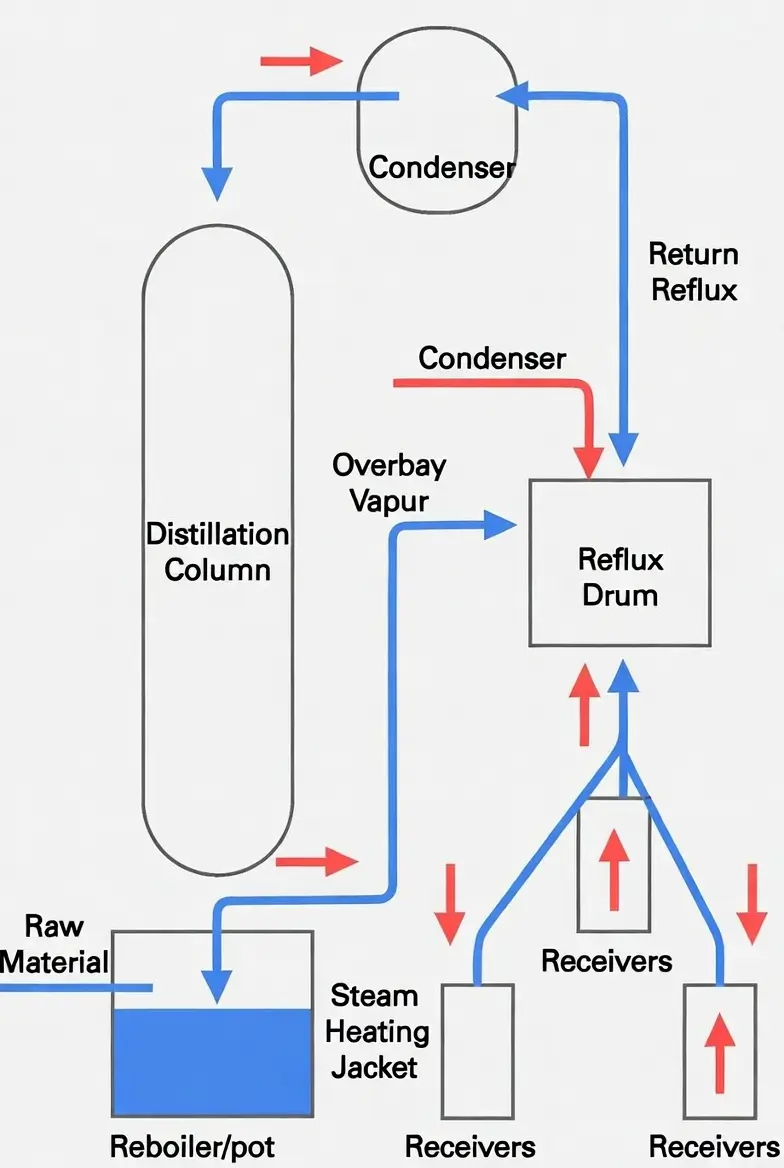
Batch Distillation from a Mechanical & Electrical Engineer’s Perspective: A System You Can Implement Almost Anywhere

Batch distillation is a flexible process built from standard equipment and can be implemented in compact spaces. This article explains system configuration, utilities, capacity, materials, and practical considerations from an engineering perspective.
operation

How My Perspective Changed After One Year Away from the Plant: Insights from a Mechanical Engineer in a Chemical Company

After moving from plant operations to a corporate role, the perception of plants shifts from execution centers to competitive options, while the role of mechanical engineers evolves from routine execution to strategic contributors focused on cost, investment, and long-term value creation.
operation

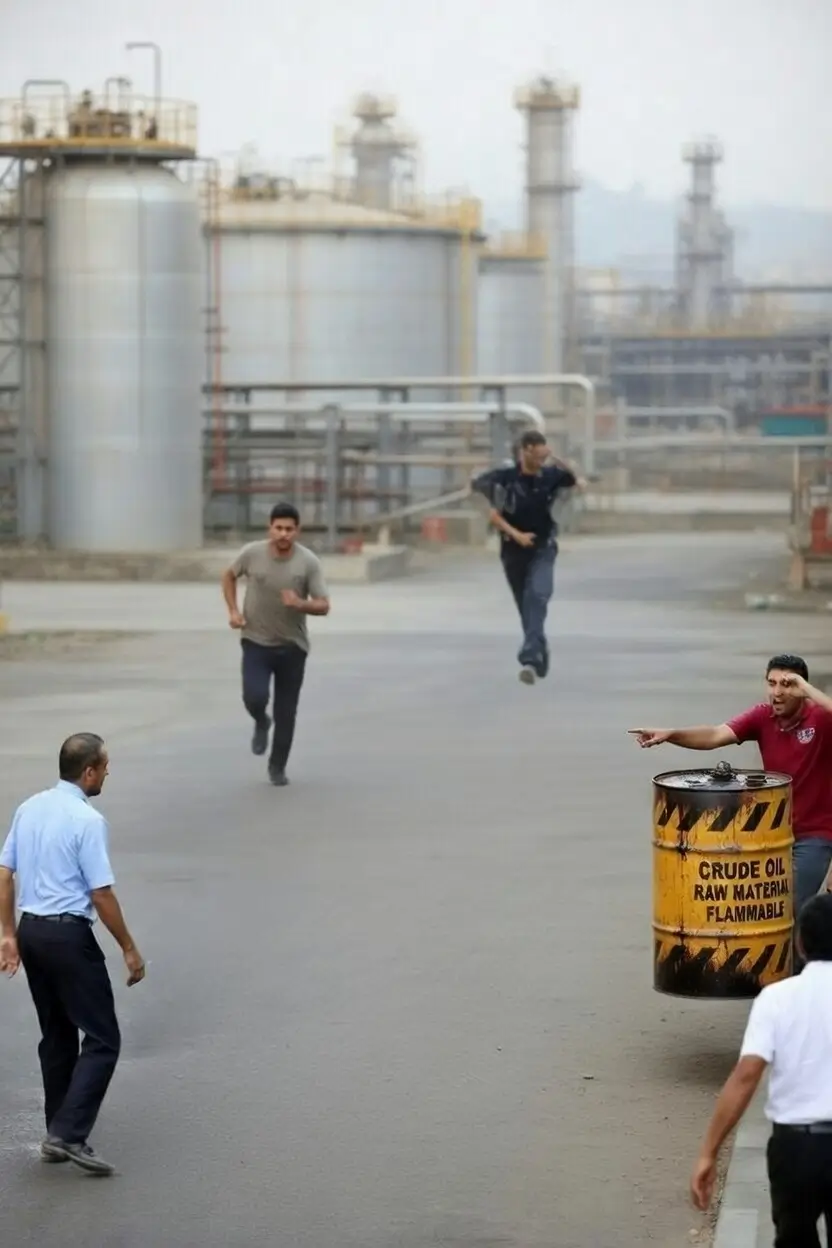
What Happens When Crude Oil Supply Stops?Raw Material Shortages and Production Shutdowns in Non-Petrochemical Plants

Learn how crude oil supply disruptions impact non-petrochemical chemical plants, causing solvent shortages, rising costs, and rapid production shutdowns in batch processes.
operation

Writing a Contamination Incident Report in Chemical Plants: When the Cause Is “Unknown” or a Simple Human Error

How should chemical plants write contamination incident reports when the root cause is unknown or due to human error? A practical guide to structuring investigations, corrective actions, and defensible documentation.
operation

Where Should Raw Material Tanks Be Located in Chemical Plants? A Comparison of Operational and Maintenance Risks

Where should raw material tanks be located in chemical plants? This article compares centralized and distributed tank configurations from operational, safety, and long-term maintenance risk perspectives.
operation

Why Instrumentation Failures Lead to Production Shutdowns: The Mechanism Behind Control Valves, Temperature Sensors, Flowmeters, and Weighing Systems

Why do instrumentation failures lead to production shutdowns? This article explains how control valve, temperature sensor, flowmeter, and weighing system failures propagate into reduced output, quality risks, and safety constraints in chemical plants.
operation

How Much Does It Cost When a Batch Plant Stops for One Day? The Reality of Production Opportunity Loss

Estimate the cost of a one-day shutdown in a batch plant by breaking it down into production opportunity loss, repair costs, cleaning, and disposal. A maintenance-focused look at the reality of downtime losses.
operation

Ground-Level Piping Layout: Balancing Operability and Process Quality

Learn how to balance operability, safety, and process quality in chemical plant piping design, using ground-level piping layout and real-world examples.