operation

operation

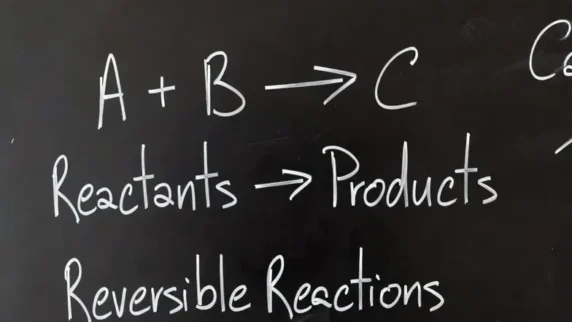
Why Mechanical & Electrical Engineers Should Understand Chemical Reactions in Plants

Mechanical and electrical engineers in chemical plants can benefit from understanding basic chemical reactions. This article explains reaction behavior, side reactions, and product degradation, and how they impact plant design and operation.
operation

Why Tanks Cannot Be Fully DrainedOperational Issues Caused by Dead Volume and Practical Countermeasures

Dead volume in tanks prevents complete liquid discharge, especially in outdoor tanks with side nozzles. Learn why it occurs, how it affects operations, and practical cleaning and handling strategies in chemical plants.
operation

Steam Is More Dangerous Than You Think|Risks of Burns, Static Electricity, Corrosion, Blockage, and Equipment Damage

Steam is often underestimated because it comes from water, but it poses serious risks in chemical plants. This article explains burn hazards, static electricity, corrosion, blockages, and equipment damage caused by steam, from design to maintenance perspectives.
operation

What to Do During Downtime in a Chemical Plant: Productive Ways Engineers Can Use Quiet Moments

Chemical plants sometimes have quiet periods between inspections and maintenance tasks. This article explores practical ways engineers can use downtime productively, from plant patrols and documentation to organizing data and expanding technical knowledge.
operation

5 People Who Shaped My 20-Year Career in a Chemical Company

A reflection on 20 years in a chemical company and the five individuals who most influenced my career—both positively and negatively. Lessons on leadership, mindset, and organizational reality.
operation

How Industrial Water Is Used in Chemical Plants: A Practical, Application-Based Overview

A practical overview of how industrial water is used in chemical plants, covering firefighting, cooling, potable water, process water, steam, and resource-saving utility systems.
operation

P&ID Symbols 101 — How to Read Equipment, Piping and Valve Symbols (Practical Guide for Plant Engineers)

P&ID symbols explained for chemical plant engineers: learn how to read equipment, piping, valve and accessory symbols used in batch plants — plus practical tips to use P&IDs for design, operation and maintenance.
operation

Process Factors Affected by Temperature Changes in Chemical Plants

An overview of how temperature changes affect chemical process variables, including reaction rate, thermal stability, composition, solubility, corrosion, and equipment lifetime—essential knowledge for engineers in chemical plants.
operation

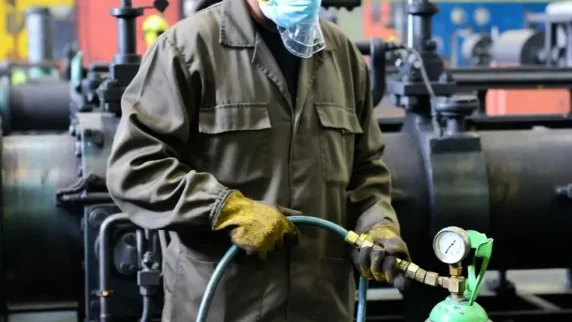
Why Nitrogen Is So Useful in Chemical Plants: Uses and Risks Explained

Nitrogen is widely used in chemical plants for inerting, pipeline blowing, and leak testing. This article explains the practical uses of nitrogen and highlights the critical safety risk of oxygen deficiency.
operation

Five Critical Design Considerations for Concentrated Sulfuric Acid SystemsCorrosion, Material Selection, and Practical Temperature Control

Practical design guide for concentrated sulfuric acid systems. Learn key considerations for corrosion, material selection, tanks, piping, and pumps based on real chemical plant experience.