machine-design

machine-design

Understanding Heat Capacity in Chemical Equipment – What Is Q=MCT?

Learn what heat capacity means in chemical plants and how engineers use MCT to estimate heating needs. A beginner-friendly guide with easy examples.
machine-design
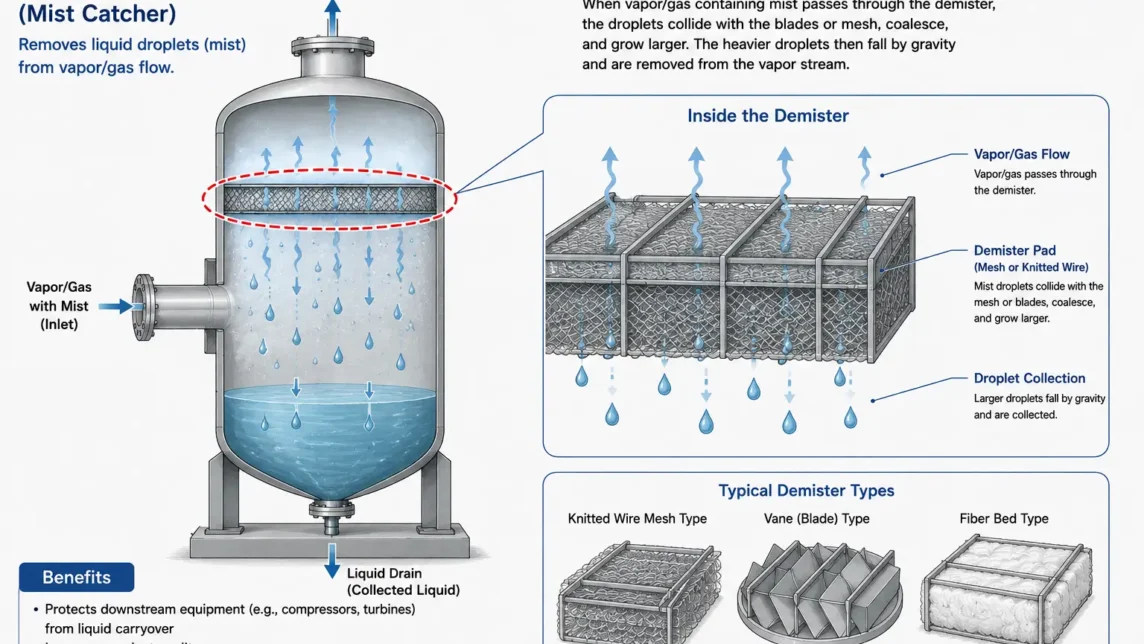
Demister Basics: How to Select a Mist Eliminator Based on Flow Rate, Pressure, Temperature, and Material

Learn the basics of demister and mist eliminator selection for chemical plants, including gas flow rate, droplet size, temperature, pressure, pressure drop, installation, and material compatibility.
machine-design

A Complete Guide to Shell and Tube Heat Exchangers: Key Parts and Structure Explained for Beginners

Learn the main parts and internal structure of shell and tube heat exchangers — including tubes, tube sheets, shell, baffles, and tie rods — explained simply for engineers and beginners in chemical and process industries.
machine-design

Simple Hopper Sizing for Powder Storage — practical method for engineers

A practical, calculation-based guide to sizing powder storage hoppers. Learn how to convert geometric volume to usable powder capacity using repose angle, and follow step-by-step rules for concentric and eccentric hopper layouts.
machine-design

Essential Tank Terminology for Chemical Engineers|Master the Words Used in Real Plant Design

Learn essential tank terminology used in chemical plant design — including heads, jackets, nozzles, weld lines, and supports — explained simply for beginner engineers.
machine-design

How to Use Overall Heat Transfer Coefficient (U) in Plant Operations: Practical Tips for Engineers

Learn how to use the overall heat transfer coefficient (U) in chemical plants, including calculations and practical field tips.
machine-design

Understanding the p-h Diagram in Refrigeration: A Beginner’s Guide

Learn how to read and use the p-h (pressure-enthalpy) diagram in refrigeration systems. A beginner-friendly guide to understanding each stage of the cooling cycle.
machine-design

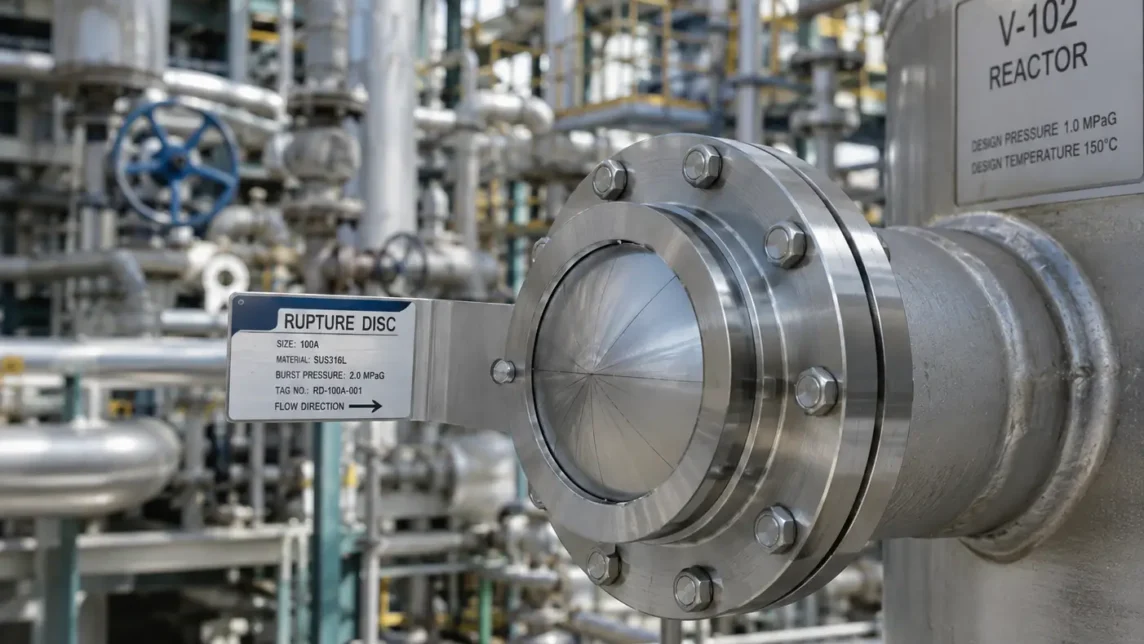
What Is a Rupture Disk? Why It Is Used Instead of a Safety Relief Valve in Chemical Plants

Learn how rupture disks protect pressure vessels in chemical plants. Discover how they work, their advantages over pressure safety valves (PSVs), typical installation methods, and why they are widely used in corrosive and batch processing applications.
machine-design

How to Select and Use Plate Heat Exchangers: Benefits and Pitfalls in Liquid–Liquid Heat Transfer

Learn how to select and use plate heat exchangers in chemical plants. This guide explains principles, materials, sealing methods, maintenance strategies, and key risks in liquid–liquid heat transfer.
machine-design

Understanding Steam and Water Ejectors: Basics for Plant Engineers

Learn how steam and water ejectors work in chemical plants. A beginner-friendly guide covering principles, features, and practical use for reliable plant operation.