ねおにーーと

machine-design

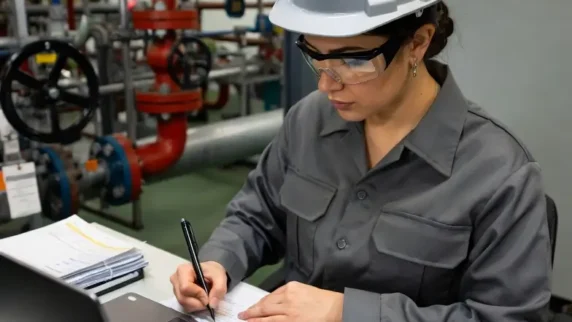
When an Owner’s Engineer in a Chemical Plant Consults a Consulting Firm

An owner’s engineer at a chemical plant shares the experience of consulting a consulting firm for operational efficiency. Learn how consultants analyze organizations, evaluate engineering workflows, and why organizational barriers often limit real change.
machine-design

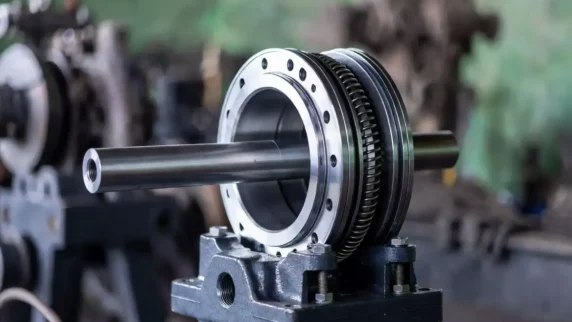
How to Read a Mechanical Seal Cross-Section Drawing (Beginner Guide)

Learn how to read a mechanical seal cross-section drawing used in chemical plants. This beginner guide explains a simple coloring method to identify O-rings, seal faces, shafts, and the pump side vs atmospheric side.
operation

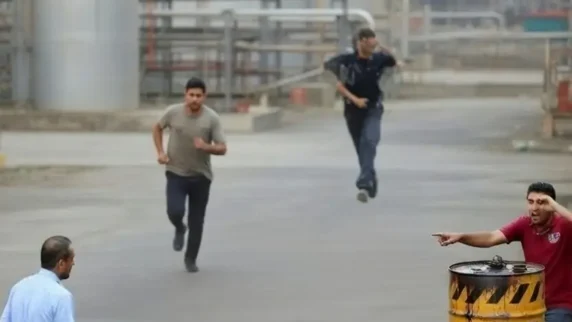
Writing a Contamination Incident Report in Chemical Plants: When the Cause Is “Unknown” or a Simple Human Error

How should chemical plants write contamination incident reports when the root cause is unknown or due to human error? A practical guide to structuring investigations, corrective actions, and defensible documentation.
machine-design

How to Read Section Drawings (Part 3): Understanding a Shell-and-Tube Heat Exchanger Through Color Coding

Learn how to read a shell-and-tube heat exchanger outline drawing using a practical color-coding method. A step-by-step guide for junior engineers to better understand section drawings and equipment structure.
machine-design

How to Read Cross-Sectional Drawings (Part 2): Understanding Mechanical Structures Through Color

Struggling to understand mechanical cross-sectional drawings? This article explains how using color to identify boundaries improves structural interpretation. A practical example using a nozzle detail helps engineers visualize drawings with confidence.
operation

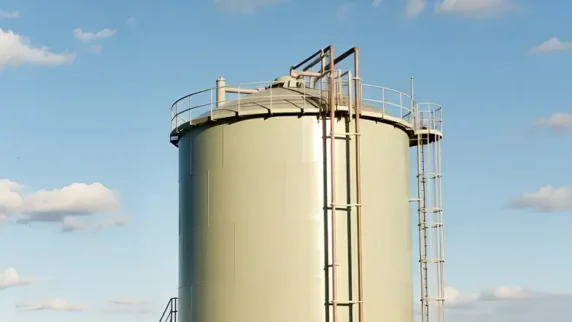
Where Should Raw Material Tanks Be Located in Chemical Plants? A Comparison of Operational and Maintenance Risks

Where should raw material tanks be located in chemical plants? This article compares centralized and distributed tank configurations from operational, safety, and long-term maintenance risk perspectives.
operation

Why Instrumentation Failures Lead to Production Shutdowns: The Mechanism Behind Control Valves, Temperature Sensors, Flowmeters, and Weighing Systems

Why do instrumentation failures lead to production shutdowns? This article explains how control valve, temperature sensor, flowmeter, and weighing system failures propagate into reduced output, quality risks, and safety constraints in chemical plants.
operation

How Much Does It Cost When a Batch Plant Stops for One Day? The Reality of Production Opportunity Loss

Estimate the cost of a one-day shutdown in a batch plant by breaking it down into production opportunity loss, repair costs, cleaning, and disposal. A maintenance-focused look at the reality of downtime losses.
maintenance

Practical Energy Saving Through Steam Trap Diagnosis in Chemical Plants

Learn how steam trap diagnosis contributes to energy savings in chemical plants, including practical inspection methods, limitations in batch operations, and realistic maintenance strategies.
machine-design

How Fouling Degrades Shell & Jacket Heat Exchangers and How to Make Maintenance Decisions

Cooling water fouling gradually degrades heat exchanger performance, increases energy costs, and raises failure risk. Learn how fouling affects shell and jacket heat exchangers and how to make rational maintenance decisions in chemical plants.