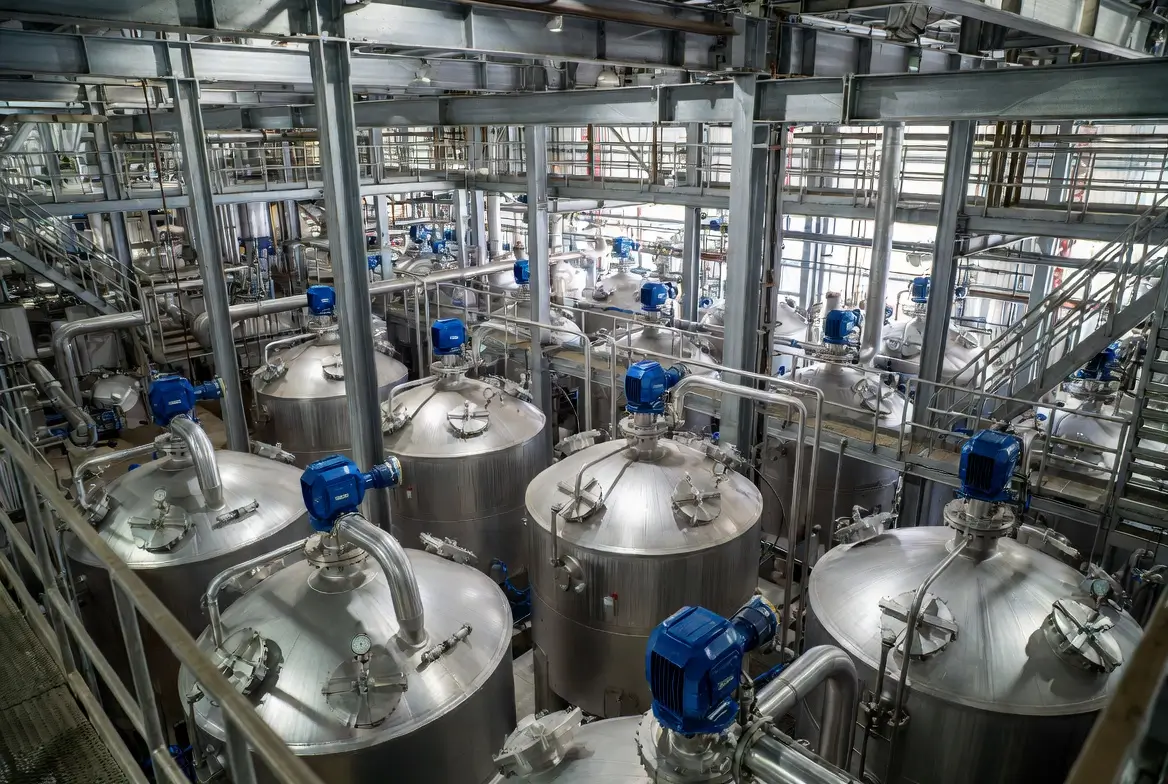
Numbering-up is a common concept in chemical engineering, but it is often overlooked outside process design.
Instead of increasing the size of a single reactor, numbering-up achieves the required production capacity by installing multiple smaller reactors. While this may seem less efficient at first glance, it can significantly improve the flexibility of a batch plant over its lifetime.
In multi-product chemical plants, equipment is expected to support different manufacturing routes, future product additions, and process modifications. Numbering-up is one design approach that helps achieve these goals while reducing the long-term cost of plant modifications.
In this article, we explain how numbering-up works, why it matters in batch processing, and how it can improve the flexibility of equipment design.
Typical Batch Processing Sequence
Before discussing numbering-up, it is helpful to review a typical batch manufacturing process.
A batch process transfers materials from one vessel to another through several steps, rather than producing continuously.
A simplified sequence is:
- Raw materials are charged into a reactor.
- The chemical reaction takes place.
- The reaction mixture is washed to remove impurities.
- Solvents are distilled and recovered.
- Additional downstream operations such as filtration or drying may follow.
The number of reactions, washing steps, and purification stages depends on the product specification.
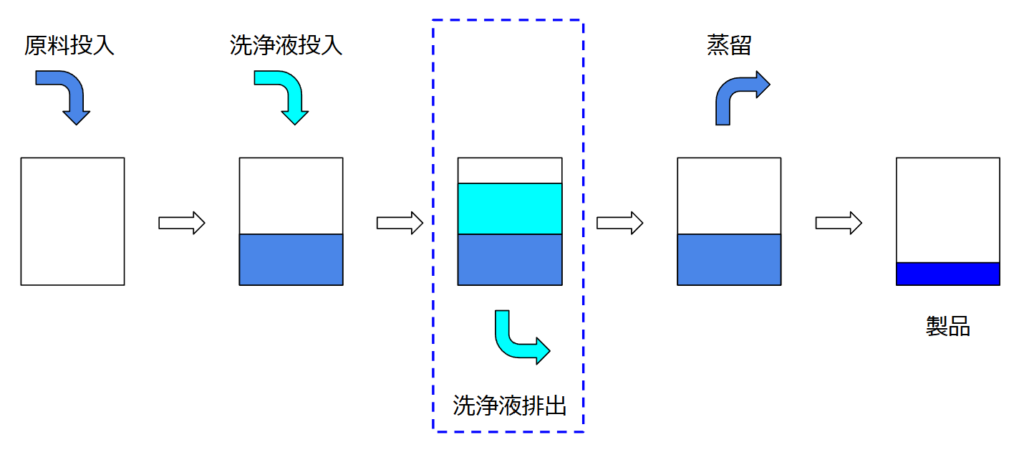
Because every product follows a different route, batch plants require flexible equipment rather than equipment optimized for a single production line.
Reactor Capacity and Product Changeovers
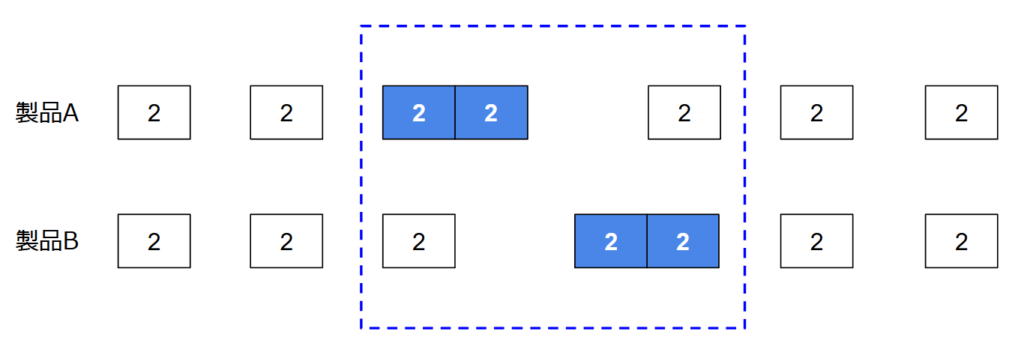
Consider a product that uses six 4,000 L reactors.
Although all reactors have the same nominal size, only one reactor may actually operate near its maximum working volume. The remaining reactors may only handle around 2,000 L.
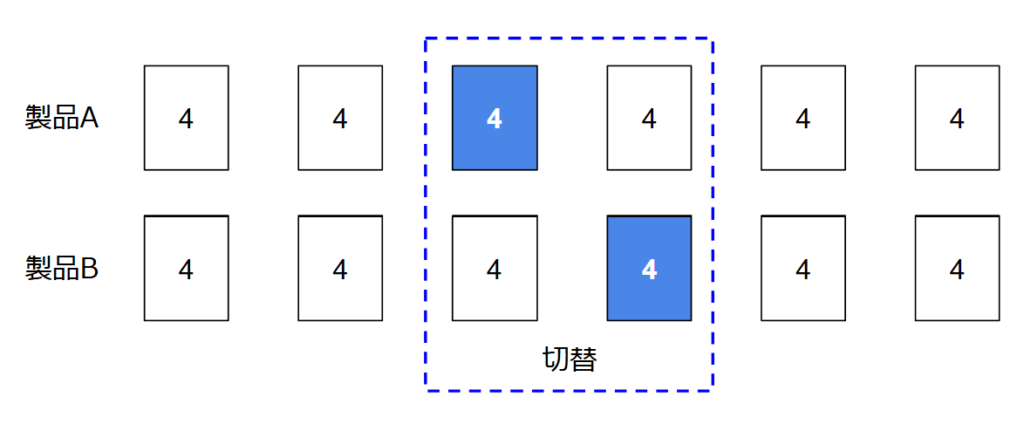
This is not considered inefficient because those same reactors may be fully utilized when manufacturing another product.
Now imagine introducing Product B.
Even if the overall production route is similar, the reactor requiring the maximum volume may shift to another position in the process.
This illustrates one of the defining characteristics of batch production:
The reactor requiring the largest working volume can change depending on the product.
If only one reactor is equipped with special instruments or auxiliary systems, changing products may require piping modifications, utility changes, or additional construction work.
A Cost-Minimized Design
Suppose the plant is designed only to minimize initial construction costs.
Instead of installing six identical 4,000 L reactors, the design could include:
- One 4,000 L reactor where maximum capacity is required
- Several 2,000 L reactors for the remaining process steps
At first glance, this appears to maximize equipment utilization.
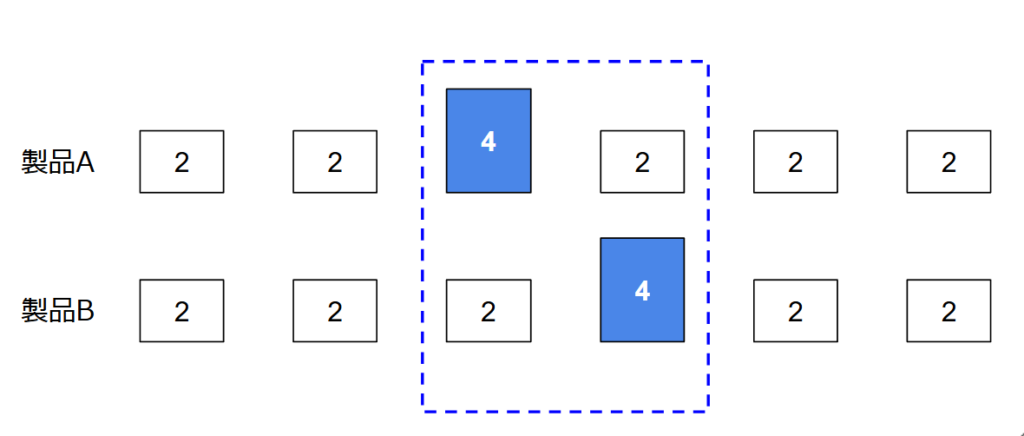
However, problems arise when switching between products.
Since Product A and Product B require the larger reactor at different process locations, piping connections and utilities must be rearranged whenever production changes.
As the number of products increases, so do the costs associated with equipment modifications and production changeovers.
A plant that initially appears inexpensive may eventually become difficult to expand or adapt to new products.
How Numbering-Up Improves Flexibility
Numbering-up approaches this challenge differently.
Instead of installing a single 4,000 L reactor, the required capacity is achieved using two 2,000 L reactors operating together.
As a result:
- All reactors can share the same vessel size.
- Equipment specifications become more standardized.
- Product changeovers become easier.
- Future plant modifications become less expensive.
The total number of vessels increases, which also increases maintenance requirements and the number of potential failure points.
However, the additional flexibility often outweighs these disadvantages, especially in multipurpose batch facilities.
Conclusion
Numbering-up is more than simply replacing one large reactor with several smaller ones.
It is a design philosophy that improves the flexibility and long-term adaptability of batch chemical plants.
While larger equipment may reduce initial capital costs, standardized smaller reactors can simplify future product changeovers, equipment modifications, and plant expansions.
There is no universal solution that fits every process. The optimal design depends on production volume, product characteristics, and long-term business strategy.
Nevertheless, understanding numbering-up provides engineers with an important perspective when designing batch plants intended for decades of operation.
About the Author – NEONEEET
A user‑side chemical plant engineer with 20+ years of end‑to‑end experience across design → production → maintenance → corporate planning. Sharing practical, experience‑based knowledge from real batch‑plant operations. → View full profile



Comments